Choosing a school is one of the most significant decisions you’ll make as a parent. Woking and the surrounding Surrey area offer a strong selection of independent schools, each with its own character, academic focus, and community feel. Getting to grips with what each school offers — and what your child actually needs — takes time, but it’s time well spent.
Academic Standards and Curriculum Variety
Private schools in Woking are known for setting high academic expectations. Most follow the National Curriculum but extend well beyond it, offering broader subject choices, smaller class sizes, and more individual attention from teachers. This environment allows students to pursue depth in subjects that interest them rather than simply meeting standard benchmarks.
Many schools in the area also offer the International Baccalaureate or a range of vocational qualifications alongside traditional A-Levels, giving students flexibility in how they prepare for higher education or professional careers.
If you’re looking for quality education options, private schools Woking provide excellent academic programs, modern facilities, and supportive learning environments for children of different age groups.
Extracurricular Opportunities and Personal Growth
Strong academic results are important, but independent schools in Woking also invest heavily in what happens outside the classroom. Sports, music, drama, and the visual arts are treated as genuine priorities rather than afterthoughts. Many schools have dedicated music facilities, well-maintained sports grounds, and active theatre programmes that give students regular opportunities to perform and compete.
This broader offering matters. Research consistently shows that students who engage in extracurricular activities develop stronger time management, confidence, and social skills — qualities that benefit them long after school finishes.
Facilities and Learning Environments
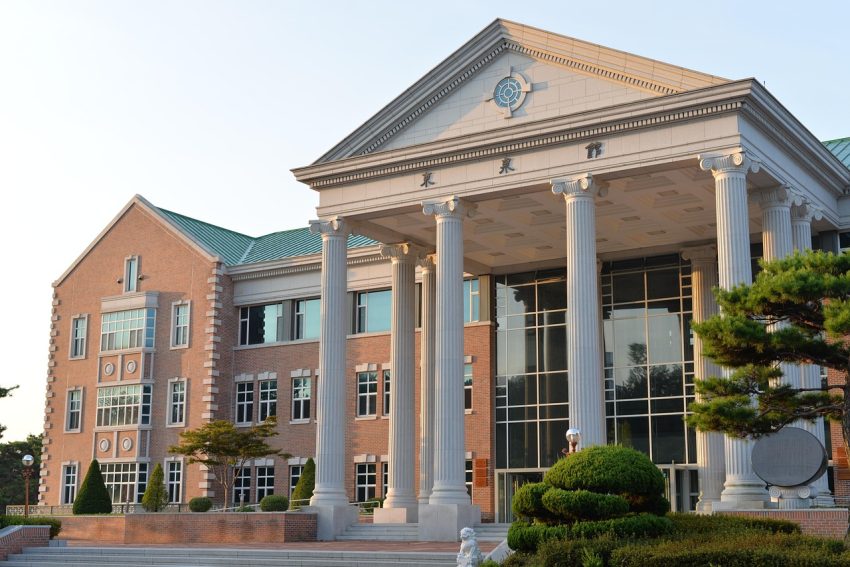
The physical environment of a school has a profound impact on the learning experience it offers. In Woking, the independent school sector provides a diverse range of settings, from institutions housed in traditional buildings rich with history to newer campuses featuring modern science labs, advanced digital resources, and purpose-built sports facilities.
Each type of environment has its distinct advantages. An older campus can foster a strong sense of tradition and belonging, with its established grounds and historic architecture contributing to a unique school identity. In contrast, newer facilities are often designed to support more contemporary teaching methods, such as collaborative project-based work and technology-integrated learning. Ultimately, what truly matters is finding an environment that feels right for your child—one that not only inspires them but also supports their individual learning style.
The Admissions Process and Visiting Schools
Most independent schools in Woking open their registration well in advance — sometimes two to three years before a child’s intended start date. Entrance assessments are standard at most age groups, and some schools hold pre-tests before the formal exam stage. Starting the process early gives you more options and reduces pressure.
Attending an open morning is one of the most practical steps you can take. It lets your child experience the atmosphere of a school firsthand, and gives you the chance to ask questions directly of staff and current students. No prospectus fully captures what a school feels like day to day, so visiting in person is worth prioritising.
Finding the Right Fit
There is no single best private school in Woking — the right choice depends entirely on your child’s personality, interests, and learning style. Some children thrive in highly structured environments with strong academic pressure; others do better where there is more space for creative and independent thinking.
Speak to other parents in your community, as they can offer candid insights that you won’t find in an official brochure. It’s also essential to review each school’s most recent inspection reports, which provide an objective assessment of academic standards, student welfare, and overall management. During your visits, pay close attention not just to the formal presentations but to the small, everyday interactions. How do staff speak to students in the hallways? What is the general mood in the classrooms and common areas? These details often reveal the true culture of a school. Ultimately, the right school will be one where your child feels comfortable enough to be themselves, challenged to grow academically and personally, and genuinely supported by the community around them.